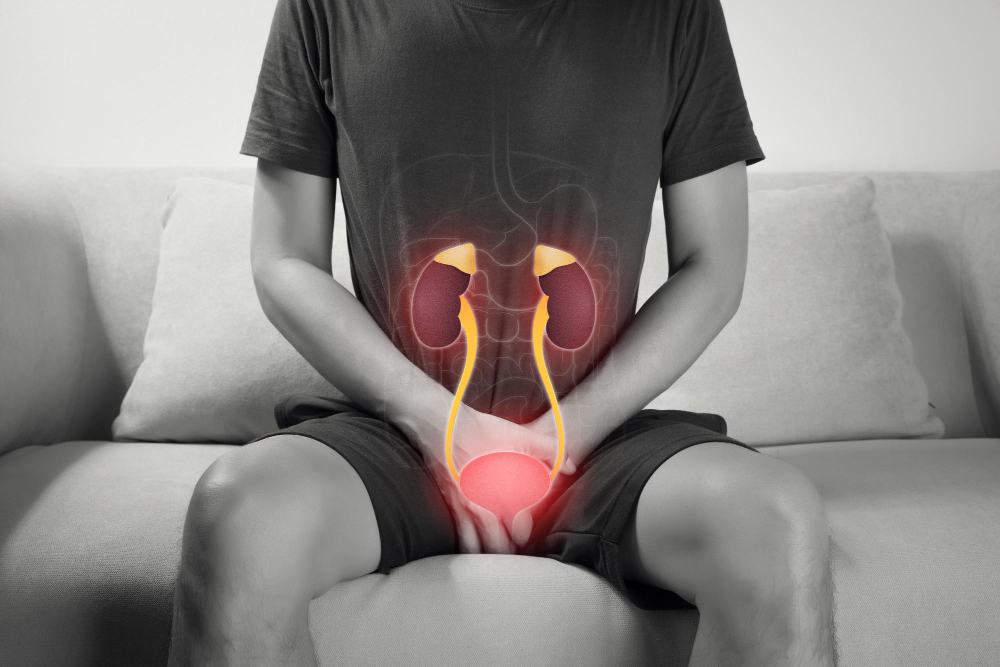
What is Overactive Bladder?
Overactive bladder is a health condition that causes a sudden urge to urinate. Often, this urge is hard to control. Because of this, many people feel embarrassed or worried about accidents. However, overactive bladder is common and treatable. According to the CDC, millions of people live with this issue. With the right care, you can manage symptoms and regain confidence in daily life.
Common Symptoms
Overactive bladder can affect people in different ways. Yet, some symptoms are seen often. For example, you may notice:
Sometimes, these symptoms can disrupt work, travel, or sleep. But with help, you can find relief.
Causes and Risk Factors
Many things can lead to overactive bladder. For instance, nerve problems may affect bladder signals. Also, weak pelvic muscles or bladder infections can play a role. In addition, certain foods and drinks may irritate the bladder. Some common risk factors include:
While anyone can develop overactive bladder, women and older adults are more likely to have it.
Diagnosis and When to See a Doctor
If you notice symptoms of overactive bladder, it is important to talk to your doctor. Early diagnosis can help you find the best treatment. Usually, your doctor will ask about your symptoms and medical history. Sometimes, they may suggest tests such as:
Because other health issues can cause similar symptoms, seeing a doctor ensures you get the right care.
Effective Treatments
Thankfully, many overactive bladder treatments can help you manage symptoms. Your doctor may suggest one or more of the following:
Medications
However, all medicines have side effects. So, always discuss options with your doctor.
Behavioral Therapies
With practice, these methods can improve bladder control.
Lifestyle Changes
Even small changes can make a big difference.
Advanced Options
Most people improve with less invasive treatments, but advanced options are available if needed.
Tips to Regain Daily Confidence
Living with overactive bladder can feel stressful. Yet, many people find ways to regain confidence. For example:
By preparing ahead, you can enjoy daily activities with less worry.
Prevention and Self-Care
Although not all cases can be prevented, some self-care steps may lower your risk. For instance:
Because healthy habits support bladder health, they are worth adding to your routine.
When to Seek Specialist Help
If your symptoms do not improve with basic treatments, or if they get worse, see a urology specialist. Also, seek help if you notice blood in your urine, pain, or sudden changes in bladder habits. Early care can prevent problems and help you regain control.
In summary, overactive bladder is common but treatable. With the right support, you can manage symptoms and regain your daily confidence. Consult a urology specialist for personalized advice and treatment options.